

What all you should check when you book a holiday package?
This guide walks you through what you should actually look at before you commit…
Read More →You don’t usually decide on a trek in one day. The thought sits with you. You see photos. You hear stories. You imagine yourself walking away from noise and routine. That is when you start searching for trekking packages.
At first, everything looks similar. Same mountains. Same words. Same promises. But not every trekking package gives you the same experience. Some are built with care. Others are rushed. Knowing the difference saves you time, money, and disappointment.
This guide helps you slow down and choose well.
When you trek without planning, small issues grow fast. Transport gets delayed. Stays feel unsafe. Routes confuse you. In remote areas, even one mistake matters.
Trekking packages solve these problems quietly. You don’t see the work behind them, but it is there. Permits are arranged. Routes are tested. Food is planned around long walking hours. Backup plans exist if weather turns bad.
For you, that means less worry. You focus on walking, breathing, and taking in the landscape. That is what trekking should feel like.

Before looking at destinations, ask yourself a few honest questions.
Your answers matter more than any brochure.
Good trekking packages explain who the trek is for. They don’t say “perfect for everyone.” They tell you if it suits beginners, regular walkers, or seasoned trekkers.
Read the day-wise plan slowly. Look at walking hours, not just distance. A short route can still be hard if the climb is steep.
If details are missing or vague, that is usually intentional.
You will notice big differences in trekking packages cost. That is normal. What matters is knowing why the cost differs.
Lower prices often mean shared transport, basic stays, or fewer staff. Higher prices usually include better guides, smaller groups, and stronger safety support.
You should always check what is included. Meals, permits, local transport, and medical support should be clear. If these are add-ons, the final cost rises quickly.
Do not choose based on price alone. Choose based on how comfortable and secure you want to feel when you are far from cities.
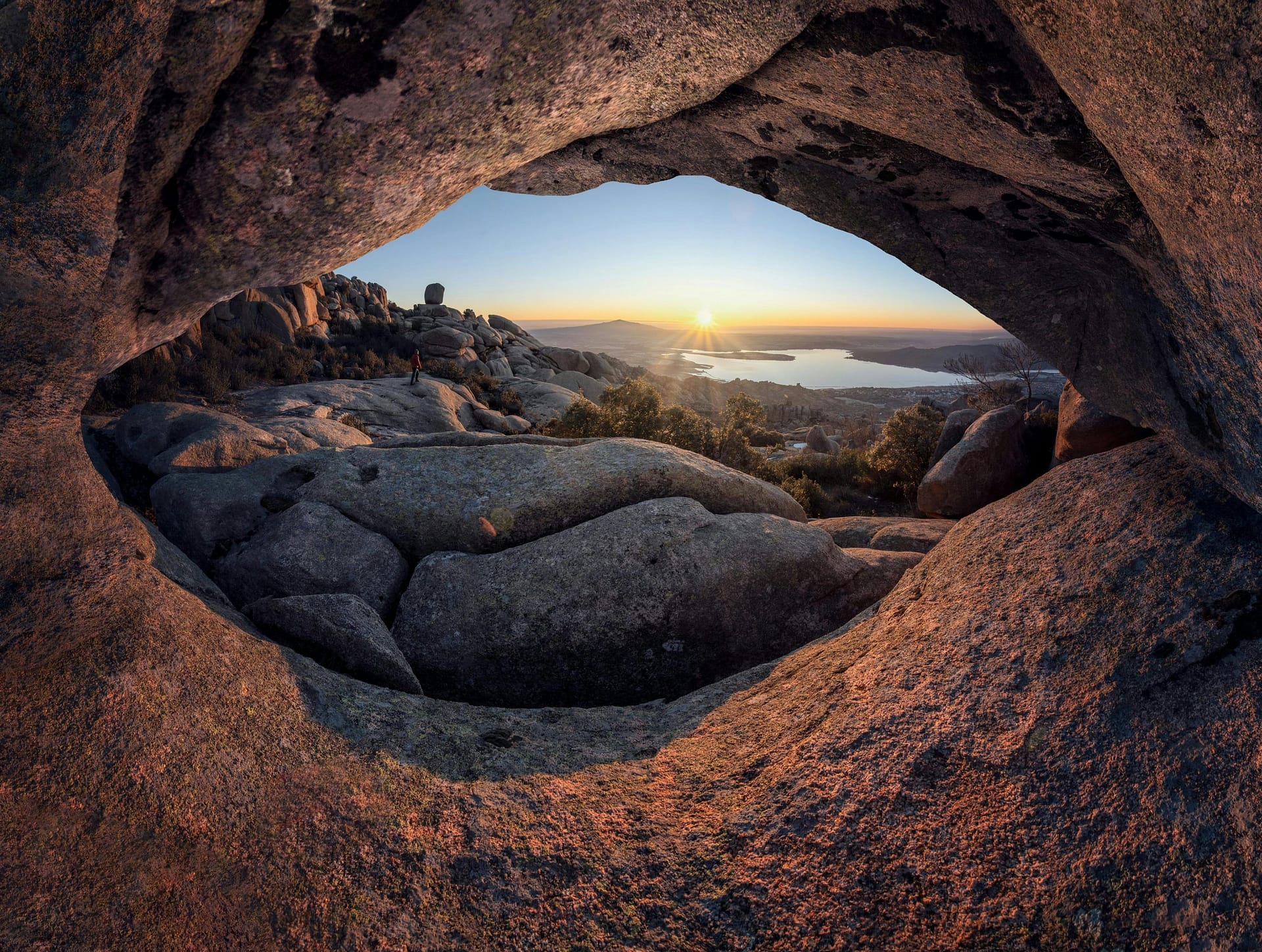
Some trekking places look great online but feel crowded and rushed on the ground. Others never make it to trending lists but leave a deeper impact.
You should choose best trekking places based on season and difficulty not popularity
Mountain treks offer snow lines, cold nights and wide views. Forest treks feel slower and greener. High-altitude treks challenge your body and patience. Each experience teaches something different
If this is your first long trek moderate trails help you enjoy the journey without constant strain. If you already trek often, remote routes test your planning and endurance.
A good trekking company suggests places that suit you, not just what sells fast.
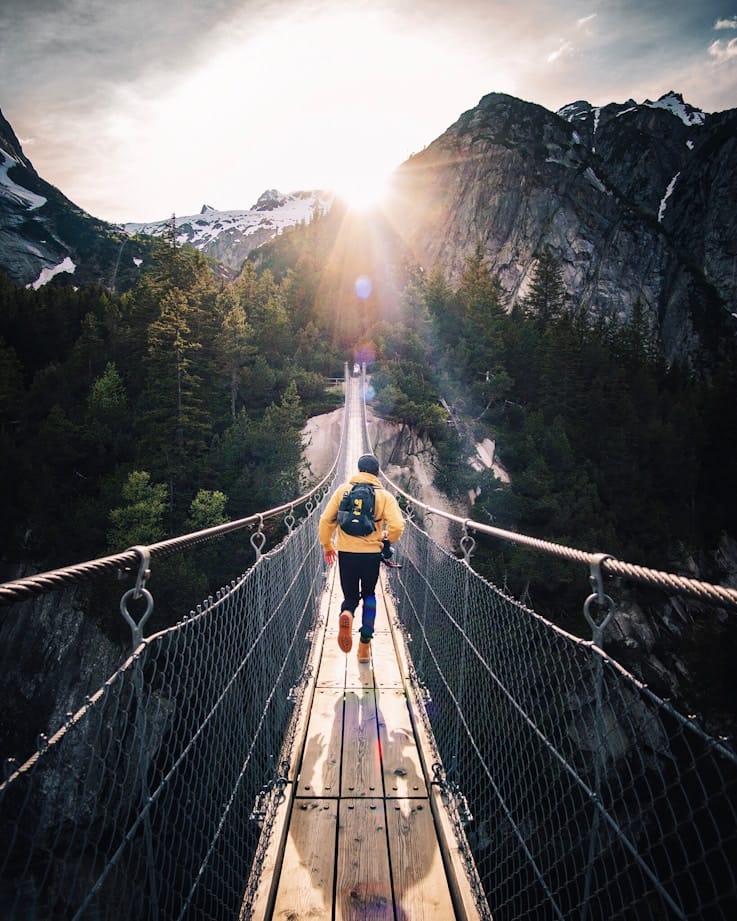
You may like the idea of trekking alone, but group treks offer things solo travel cannot.
A trekking group keeps you moving on tough days. When you feel tired, someone else sets the pace. When weather changes, decisions are shared, not forced.
Groups also make camps lighter. Stories flow. Silence feels comfortable. You realize that struggle feels smaller when shared.
The right trekking group is not loud or rushed. It respects pace differences and personal space. Guides manage this balance. That skill comes from experience, not scripts.
If you value safety and connection, group trekking works well.
Trekking trips are not constant excitement. They are repetitive in a good way. Walk. Rest. Eat. Sleep. Repeat. Some days feel easy. Others feel long. Weather changes your mood. Terrain tests your knees. You learn to listen to your body. Well-run trekking trips give you structure without pressure. Guides don’t push you to prove anything. They help you finish safely. Evenings are quiet. You stretch. You talk less. You sleep deeper than usual. That rhythm is what people miss once they return.
One common mistake is booking in a hurry. Excitement should not replace judgment.
Another mistake is ignoring fitness requirements. A trek does not become easier because you paid for it.
Many people also overlook group size. Large groups move slower and feel crowded. Smaller groups feel personal and flexible.
You should also avoid skipping reviews. Not star ratings, but detailed experiences. They reveal how a company behaves when things don’t go perfectly.
That matters more than perfect weather.
A good trek changes how you look at effort, silence, and time. But only if it is planned with care. When you choose trekking packages that respect your pace, explain trekking packages cost clearly, and guide you through the best trekking places, the journey feels complete. If you want trekking trips that focus on preparation, safety, and real trail experience, explore what Ranib Group offers. Our trekking approach values clarity over hype.
Visit Ranib Group and take the next step toward an adventure that feels real, balanced and worth remembering
This guide walks you through what you should actually look at before you commit…
Read More →
This article walks you through what flight booking really involves, where common problems appear,…
Read More →
What is travel insurance and why should you buy it? When you plan a…
Read More →